07 October 2025
Tips for Maintaining Solar Energy Systems to Stay Optimal and Long-Lasting
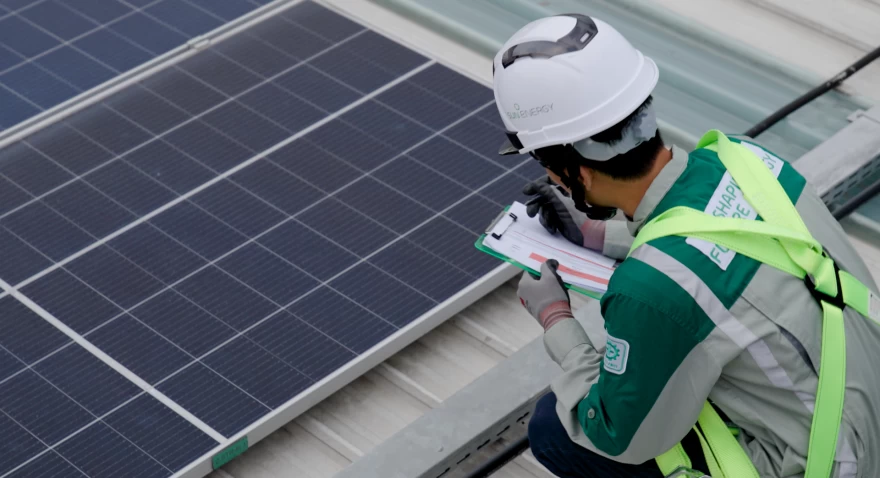
Solar power plants (PLTS) are a long-term investment with a service life of up to 25–30 years. To maximize their benefits, these systems require simple yet consistent maintenance. Maintaining a solar power system involves more than just cleaning the panels. It also requires monitoring production data, inverter performance, protection systems, cabling, and other components in accordance with operation and maintenance procedures.
SUN Energy, an integrated solar energy solutions provider in Indonesia, offers comprehensive services ranging from planning and installation to solar power system maintenance to ensure optimal performance throughout the system’s service life. With proper maintenance, solar power systems can generate electricity reliably for decades while maintaining optimal efficiency.
Proper maintenance not only delivers financial benefits through electricity cost savings but also strengthens system owners’ contributions to environmental sustainability. By keeping the system efficient, carbon emissions can be reduced further, allowing solar power systems to deliver positive impacts on both the economy and the environment.
Recommended Solar Energy System Maintenance Schedule
The first step in maintaining a solar energy system is to perform regular inspections of its main components, solar panels and inverters. Panels should always be clean and free of cracks, while the inverter’s indicators must function normally. Ideally, inspections are conducted every one to three months, with results recorded to track performance changes over time.
Aside from inspection, keeping panels clean is crucial. Dirty panels can reduce electricity output by up to 20%. Cleaning should be done using clean water and a soft cloth to avoid scratches. Avoid using harsh chemicals or sharp tools, and clean panels in the morning or late afternoon when temperatures are cooler.
In general, solar panels should be cleaned at least twice a year. However, the ideal frequency depends heavily on location and environmental conditions. In urban, industrial, or dusty areas, cleaning may be needed every three months. Buildings near agricultural zones also accumulate dust more quickly. If the site is surrounded by trees, leaves, small branches, or bird droppings can cover the panels, especially during windy or rainy seasons. In such cases, regular cleaning is essential to maintain energy production efficiency.
On the other hand, regions with high rainfall are somewhat advantaged, as rainwater naturally helps clean panel surfaces. For these areas, cleaning once or twice a year is usually sufficient, unless visible dirt buildup or reduced energy output occurs.
PLTS Maintenance Checklist
Regular maintenance of a Solar Photovoltaic (PV) System is essential to maintaining its performance, safety, and long-term reliability. Each component has different inspection and maintenance requirements, so maintenance schedules should be adjusted based on site conditions, system characteristics, and established operation and maintenance (O&M) procedures.
The following PV system maintenance checklist can serve as a practical reference:
| Activity | What to Check | When to Perform |
|---|---|---|
| Visual Inspection of Solar Modules | Dirt buildup, cracks, and new sources of shading | Periodically, depending on site conditions |
| Solar Module Cleaning | Dust and dirt accumulation affecting the module surface | Based on soiling levels and O&M procedures |
| Energy Production Monitoring | Reduced power output and system alarms | Routinely through the monitoring system |
| Inverter Inspection | Alarms, operating status, and ventilation conditions | According to the O&M schedule |
| Electrical System Inspection | Cables, connections, and protective devices | By qualified technicians according to the maintenance schedule |
Maintenance frequency may vary depending on the installation location. Solar PV systems installed in industrial areas, dusty environments, or locations with high pollution levels may require more frequent inspections and cleaning.
Meanwhile, electrical system inspections should be carried out by qualified technicians following established safety procedures and the manufacturer's recommendations.
Monitoring Solar Energy System Condition
The best way to maintain the efficiency of your solar energy system is through regular visual checks every few months. This can be done easily by observing whether there’s dust, dry leaves, bird droppings, or water stains on the panel surfaces. Check for glass cracks, loose cables, or new shading from trees or nearby structures that might reduce sunlight exposure. Also, pay attention to inverter indicators, as long as the light stays green, the system is running normally, while color changes can signal potential issues.
Modern technology makes this even easier. Most new systems come equipped with monitoring dashboards or mobile apps that display daily, monthly, and yearly electricity production. These apps can even send notifications if inverter issues occur. However, if your system was installed by a reliable solar developer, you don’t have to worry about manual monitoring. Developers typically provide remote monitoring services and routine maintenance, ensuring the system continues to perform efficiently.
Conclusion
Maintaining a solar energy system isn’t difficult, it simply requires consistency. Regular inspections, proper cleaning, and the use of monitoring apps will help your system stay productive for decades.
Even better, if your solar energy system is installed by an experienced solar developer, all maintenance is usually included with digital monitoring and professional technical support. For complete peace of mind, choose a trusted solar developer that provides integrated solar energy solutions for the commercial and industrial sectors, such as SUN Energy.
***
References:
- https://solar.huawei.com/en/blog/2024/solar-panel-care-cleaning-and-maintenance-tips/
- https://www.pseau.org/outils/ouvrages/usaid_solar_pv_system_maintenance_guide_guyana_hinterlands_stand_alone_solar_pv_installations_2013.pdf
- https://www.solarprotect.org/blog/do-solar-panels-need-to-be-cleaned/
Share