03 November 2025
Industrial Rooftop Solar Energy Systems and the National Quota Policy
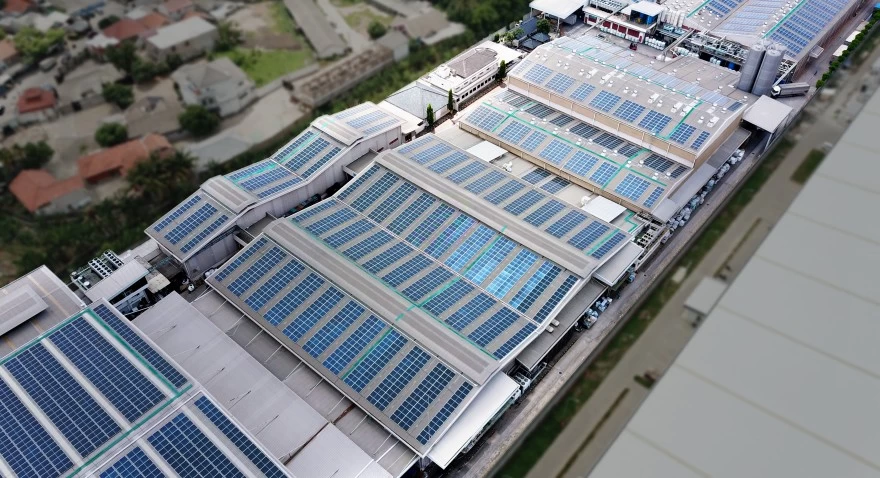
Industrial facilities are increasingly exploring rooftop solar energy systems as a way to manage electricity consumption, improve energy efficiency, and support corporate sustainability targets. Factories, warehouses, and manufacturing facilities often have large rooftop areas that can be utilized to generate electricity for their daily operations.
However, installing a grid-connected rooftop solar system in Indonesia involves more than assessing roof space and calculating energy requirements. Businesses must also understand the applicable rooftop solar quota, electricity system requirements, and approval procedures established by the government and the relevant electricity provider.
Indonesia regulates grid-connected rooftop solar installations through Minister of Energy and Mineral Resources Regulation No. 2 of 2024 (Permen ESDM No. 2/2024). This regulation replaces Permen ESDM No. 26 of 2021 and introduces a quota-based framework for developing rooftop solar systems connected to electricity networks operated by holders of an Electricity Supply Business License for Public Interest (IUPTLU).
For industrial businesses, understanding this framework early can help reduce project uncertainties, prepare the required technical information, and coordinate the installation process more effectively.
What Is an Industrial Rooftop Solar System?
An industrial rooftop solar system is a photovoltaic (PV) installation designed to generate electricity from sunlight using solar panels mounted on the roofs of factories, warehouses, manufacturing facilities, and other industrial buildings.
The system converts sunlight into direct current (DC) electricity through photovoltaic modules. An inverter then converts this electricity into alternating current (AC), allowing it to be used by industrial equipment and electrical systems.
For facilities connected to the national electricity grid, an on-grid rooftop solar system operates alongside the existing electricity supply. Solar-generated electricity can support daytime operations, while electricity from the grid remains available when solar generation is insufficient.
Industrial rooftop solar systems generally consist of several main components:
- Solar panels: Capture sunlight and convert it into DC electricity.
- Solar inverters: Convert DC electricity into AC electricity compatible with the facility's electrical system.
- Mounting structures: Secure solar panels to the rooftop while considering roof conditions and structural requirements.
- Electrical protection systems: Help protect the installation against electrical faults and other operational risks.
- Monitoring systems: Track electricity generation, system performance, and operational conditions.
For industrial applications, system design should consider electricity consumption patterns, available roof space, structural capacity, electrical infrastructure, and operational requirements.
The appropriate system capacity should therefore be determined through a technical assessment rather than relying solely on the available rooftop area.
How the Rooftop Solar Quota Works
Indonesia's rooftop solar framework uses development quotas for electricity systems. Businesses planning a grid-connected rooftop solar project need to check the applicable quota and application process before finalizing implementation.
Under Permen ESDM No. 2/2024, rooftop solar development quotas are established based on electricity systems and subsequently distributed through clustering at the customer service unit level of the relevant IUPTLU holder.
For customers served by PLN, this clustering is associated with the relevant PLN service area (UP3). Therefore, the available quota depends on the electricity system and service area serving the customer's installation, rather than simply the company's province or industrial location.
The quota framework is designed to manage the integration of intermittent solar generation into electricity networks while maintaining system reliability.
How Are Rooftop Solar Quotas Determined?
The quota allocation process involves several stages:
- Quota proposal: The relevant IUPTLU holder prepares a proposed rooftop solar development quota supported by technical assessments.
- Government evaluation: The proposed quota is evaluated by the Directorate General of Electricity, involving the relevant government authorities.
- Quota determination: The Director General of Electricity establishes the rooftop solar development quota.
- Regional clustering: The IUPTLU holder distributes the allocated quota into customer service area clusters.
- Public announcement: The applicable quota information is published through the official website, application, and/or social media channels of the IUPTLU holder.
Under the regulation, the quota is established for a five-year period and evaluated annually. The clustered quota must be published within the prescribed period after its determination.
What Does the Quota Mean for Industrial Businesses?
For industrial customers, quota availability is an important consideration before proceeding with a grid-connected rooftop solar project.
The main considerations include:
- Location and electricity service area: The applicable quota depends on the electricity system and customer service cluster serving the facility.
- Available capacity: The proposed installation must be assessed against the remaining quota applicable to the relevant cluster.
- Application timing: Businesses need to prepare their applications according to the applicable submission schedule.
- Technical feasibility: The proposed system must also satisfy the technical requirements and electricity network considerations established by the IUPTLU holder.
It is important to understand that the quota is not a guaranteed allocation for every business. A company's proposed installation capacity must be evaluated through the applicable application and approval process.
Furthermore, the regulation removes the previous fixed 100% limit based on a customer's contracted electricity capacity. However, this does not mean that every proposed installation will automatically be approved. Available quota and technical requirements remain important considerations.
Does Excess Solar Electricity Reduce the Electricity Bill?
Under Permen ESDM No. 2/2024, the previous electricity export-import compensation mechanism no longer applies to rooftop solar systems governed by the regulation.
This means that excess electricity generated by a rooftop solar system and exported to the grid is not calculated as a deduction from the customer's electricity bill.
For industrial facilities, this makes electricity consumption matching an important part of system planning. Ideally, solar generation should be aligned with the facility's operating hours and daytime electricity demand to maximize the direct use of generated electricity.
What Businesses Need Before Applying
Before submitting a rooftop solar application, industrial businesses should evaluate their electricity infrastructure, energy consumption, rooftop conditions, and preliminary project capacity.
These preparations help businesses understand whether the proposed installation is technically feasible and whether the project can proceed within the applicable quota and application schedule.
The following table summarizes the main considerations.
| Item | Why It Matters | Preparation |
|---|---|---|
| Electricity system/location | Determines the applicable IUPTLU holder, electricity system, and quota cluster. | Identify the facility's electricity provider, service area, and customer connection details. |
| Available quota | Determines whether the proposed project can be considered within the applicable quota allocation. | Check the latest published quota for the relevant electricity system and customer service cluster. |
| Customer/load data | Helps assess electricity demand and determine the appropriate solar capacity. | Prepare electricity bills, historical consumption records, contracted power, and load profiles. |
| Preliminary solar capacity | Provides an initial estimate of the proposed installation size. | Assess available rooftop area, daytime demand, and preliminary system sizing. |
| Technical documents | Support the application review and technical assessment. | Prepare the required administrative and technical documents in accordance with the applicable application format. |
| Application window | Determines when the business can submit its application. | Check the applicable January or July submission period and the latest instructions from the IUPTLU holder. |
| Utility review | Determines whether the proposed system meets the applicable quota and technical requirements. | Ensure application information is complete and be prepared to provide additional information or clarification if requested. |
| Final engineering after approval | Ensures the installation design reflects the approved project parameters and technical requirements. | Complete detailed engineering, equipment specifications, protection design, and implementation planning in coordination with the relevant parties. |
For industrial projects, electricity consumption records are particularly important. Historical electricity bills and load profiles help identify when the facility consumes the most electricity and how much solar generation can be used directly.
Businesses should also assess rooftop conditions, including structural strength, roof material, available installation space, shading, and accessibility for maintenance.
The exact administrative and technical documents must follow the applicable application format and requirements of the relevant IUPTLU holder. Businesses should avoid assuming that a preliminary feasibility study alone is sufficient for formal approval.
Application and Project Preparation
The application process for grid-connected rooftop solar systems in Indonesia is governed by Permen ESDM No. 2/2024. Industrial businesses should coordinate with the relevant IUPTLU holder to confirm the current application channel, required documents, and quota availability.
The following stages provide a practical overview of how businesses can prepare their projects.
1. Identify the Relevant Electricity Provider and Quota Cluster
The first step is to identify the electricity provider serving the industrial facility.
For customers connected to PLN, businesses should determine the relevant PLN service area and check the published rooftop solar quota for that cluster.
For customers served by another IUPTLU holder, the applicable quota information and application procedures should be obtained directly from that provider.
2. Conduct an Initial Feasibility Assessment
Before submitting an application, businesses should conduct a preliminary assessment covering:
- Historical electricity consumption and daytime load profiles.
- Available rooftop area and structural conditions.
- Potential solar generation based on location and installation conditions.
- Preliminary system capacity and inverter configuration.
- Existing electrical infrastructure and grid connection requirements.
This assessment helps establish a realistic project scope and provides technical information for the application process.
3. Prepare the Required Application Documents
Under Article 14 of Permen ESDM No. 2/2024, prospective rooftop solar customers must submit an application for the development and installation of a rooftop solar system to the relevant IUPTLU holder.
The application must also be copied to the Director General of New, Renewable Energy and Energy Conservation (EBTKE) and the Director General of Electricity.
The regulation specifies January and July as the application submission periods. The application must follow the prescribed format in Appendix II of the regulation.
For industrial customers, preparation should include the relevant customer information, proposed system details, and supporting technical documents required by the electricity provider.
4. Submit the Application Within the Applicable Period
Once the required information is prepared, the business can submit its application through the channel designated by the relevant IUPTLU holder.
For PLN customers, businesses should check the latest rooftop solar application service and instructions through official PLN channels, including PLN Mobile where applicable.
Applications are processed according to the applicable quota and the first-in, first-served (FIFS) mechanism established under the regulation.
Submitting an application does not automatically guarantee approval. The application remains subject to document verification, quota availability, and the relevant technical assessment.
5. Coordinate Technical Evaluation and Follow-Up
During the review process, the electricity provider may need to assess the proposed system and its potential impact on the electricity network.
Businesses should remain available to provide clarification or additional information if requested.
The technical review should consider the proposed capacity, electrical configuration, protection requirements, and other applicable grid connection conditions.
Project implementation should only proceed in accordance with the approval and technical requirements communicated by the relevant IUPTLU holder.
What Happens After Approval
Receiving approval is an important milestone, but it does not mean the rooftop solar system can immediately begin operating.
Industrial businesses must complete the remaining engineering, installation, inspection, and operational preparation stages in accordance with the applicable regulations and requirements of the IUPTLU holder.
1. Finalize the Engineering Design
After receiving the relevant approval, the project team can proceed with detailed engineering.
This stage includes finalizing:
- Solar panel layout and mounting arrangements.
- Inverter capacity and electrical configuration.
- Cable routing and electrical protection systems.
- Grid connection and synchronization requirements.
- Monitoring and control arrangements.
- Installation and workplace safety procedures.
The final design should reflect the approved project parameters and any technical conditions specified by the electricity provider.
2. Complete Installation and Technical Verification
Once the engineering design is finalized, installation can proceed according to the approved scope and applicable technical standards.
The project team should verify that the installed components, electrical connections, protection equipment, and system configuration comply with the approved design.
Any inspection, testing, and certification requirements must also be fulfilled before the system is connected and operated.
3. Complete Grid Connection Requirements
For grid-connected rooftop solar installations, the relevant IUPTLU holder coordinates the applicable grid connection and metering requirements.
Under Permen ESDM No. 2/2024, an advanced meter is used for the rooftop solar system, replacing the previous export-import metering arrangement. The meter is provided and installed by the IUPTLU holder.
Businesses should coordinate with the electricity provider to confirm the required technical arrangements and the conditions for system activation.
4. Commission and Monitor the System
Before entering regular operation, the rooftop solar system must complete the applicable testing, commissioning, and operational requirements.
Once authorized to operate, the system can generate electricity to support the facility's operational demand.
Businesses should continuously monitor:
- Daily and monthly solar electricity generation.
- Solar energy consumption within the facility.
- Inverter performance and system availability.
- Equipment condition and maintenance requirements.
- Differences between expected and actual system performance.
Regular monitoring helps industrial operators maintain system efficiency and identify potential technical issues.
5. Optimize Energy Use and Long-Term Performance
The benefits of industrial rooftop solar depend not only on installation capacity but also on how effectively the generated electricity is used.
Businesses can improve solar utilization by evaluating daytime production schedules, identifying major electricity-consuming equipment, and monitoring the relationship between solar generation and facility demand.
A properly planned rooftop solar system can support long-term energy cost management, reduce dependence on grid electricity during periods of solar generation, and contribute to corporate sustainability objectives.
For industrial businesses, working with an experienced solar project developer can help coordinate feasibility assessments, technical preparation, regulatory requirements, installation, and long-term system monitoring.
SUN Energy supports businesses in developing rooftop solar solutions tailored to their operational requirements, helping industrial facilities navigate the project development process and advance their clean energy transition.
References:
- https://web.pln.co.id/media/siaran-pers/2024/01/penjualan-meningkat-ini-upaya-pln-listriki-sektor-bisnis-dan-industri-sepanjang-tahun-2023
- https://jdih.esdm.go.id/common/dokumen-external/Permen%20ESDM%20Nomor%202%20Tahun%202024.pdf
- https://iesr.or.id/upaya-mendorong-efektivitas-pemenuhan-kuota-plts-atap/
Share